

Company Culture
Hiring for Culture Without Hiring Clones
To hire for culture without hiring clones, separate shared values from personality, define culture in behaviors rather than vibes, interview for values explicitly, and actively seek people who think differently. Done carelessly, hire for culture becomes hire people you’d have a beer with, which clones your team and kills the difference it needs to see its blind spots. Aim for a shared soul with varied minds. Diverse minds add friction worth paying for. A team of clones still disagrees, it just hides it until the clash lands at the top, where mediation can give it a fair hearing. Nothing here is legal advice.
Everyone you’ve hired in the last two years came from the same kind of background, laughs at the same jokes, and agrees with you in meetings. It feels like a great culture. It might be an echo.
The trap hidden inside “hire for culture”
Everyone agrees you should hire for culture, and almost everyone does it wrong, because the instinct behind it’s dangerously easy to misread. Hiring for culture is supposed to mean hiring people who share your values and will thrive in how you work.
Too often it quietly becomes hiring people you would want to have a beer with, which is a different thing entirely, and a recipe for building a company of people who look, think, and sound exactly alike. You set out to protect your culture and accidentally cloned it instead.
The cloned company feels wonderful from the inside, easy, harmonious, everyone nodding, and it’s quietly dying, because it has lost the one thing a healthy culture can’t live without: enough difference to see its own blind spots. Harmony isn’t health. A team that never disagrees isn’t aligned, it’s asleep.
We see it this way at Dyadic: a business needs direction and it needs structure. Direction without structure turns into chaos, and structure without direction turns into stagnation. Hire only people who think like you and you usually end up heavy on one side.
A room full of big-picture people keeps launching and never lands. A room full of builders keeps polishing and never moves. The friction between the two kinds of mind is where resilience comes from.
How to hire for culture the right way
Separate values from personality, hard, because values are what must be shared, honesty, respect, how you treat people, while personality, style, and background are what should vary. Define your culture in behaviors, not vibes, so you’re testing whether someone lives your actual values rather than whether they feel familiar.
Interview for the values explicitly, with questions that reveal how a person actually behaves, instead of drifting on the gut feeling that hides your bias. And actively seek the difference, treating a candidate who would stretch the team as an asset to pursue rather than a risk to screen out.
The goal is a shared soul with varied minds, not a hall of mirrors.
Harmony isn’t health. A team that never disagrees isn’t aligned, it’s asleep.
The friction you’re signing up for
Hiring diverse minds makes a team sharper, and it’s also harder, because people who genuinely think differently will, inevitably, clash sometimes, and a leader who wanted the upside of diversity has to be ready for the friction that comes attached.
The mistake is recoiling from that friction and sliding back toward hiring clones for the quiet. The better move is to welcome the difference and get good at resolving the conflicts it produces, because those conflicts are often where the best thinking happens, if they’re handled well.
What sameness hides until it reaches the top
A team hired for comfort still disagrees. It just learns not to say so, because in a room where everyone agrees, the first person to object looks like the one who doesn’t fit.
So the disagreement goes underground and waits. Then it surfaces where the stakes are highest: two senior leaders who’ve nodded along for years discover, over one big decision, that they never wanted the same company. Say one wants to sell and the other wants to grow.
Nobody below them can step in. The team was hired to agree, so people pick a side quietly, and the founder or CEO is usually one of the two people in the argument.
Mediation gives a disagreement that’s been buried for years a structured place to come out. Two neutral mediators listen together; while one tracks the business question, the other is there to catch the years of things left unsaid. It’s confidential within the limits of California law, and the two leaders decide where it goes.
Be wary of a meeting with no objections on a decision that should’ve drawn some. Silence from smart people isn’t agreement. It’s a disagreement that hasn’t found a safe room yet.
When one hardens past what the team can work through itself, a mediator can hear both sides before the difference turns into a fight about who belongs. For the deeper picture, see how to build strong company culture and culture fit vs culture add. The first conversation is private and carries no obligation.
Nothing here is legal advice.

A shared soul with varied minds, not a hall of mirrors.
Common questions
How do you hire for culture without hiring clones?
Separate values from personality, because values, honesty, respect, how you treat people, are what must be shared, while style and background are what should vary; define your culture in behaviors rather than vibes so you test for lived values not familiarity; interview for the values explicitly to counter the gut feeling that hides bias; and actively seek the difference that would stretch the team. The goal is a shared soul with varied minds, not a hall of mirrors. Nothing here is legal advice.
Why does “hire for culture” lead to cloning?
Because the instinct is easy to misread: hiring for shared values quietly becomes hiring people you would want to have a beer with, which builds a company of people who look, think, and sound alike. You set out to protect your culture and accidentally clone it. The cloned company feels wonderful from the inside, easy and harmonious, while quietly dying, because it has lost the difference it needs to see its own blind spots. Harmony isn’t health.
Isn’t a harmonious, agreeable team a good sign?
Not necessarily. A team that never disagrees is often not aligned, it’s asleep, having lost the internal difference that catches mistakes and adapts to change. Easy harmony can be the comfortable symptom of a monoculture that mistakes agreement for truth. Healthy teams share a foundation of values but carry enough difference to generate productive friction, which is a sign of life, not dysfunction, provided the friction gets handled well. Nothing here is legal advice.
How do you manage the friction that diverse hiring creates?
Welcome it rather than recoiling toward hiring clones for the quiet, because people who think differently will sometimes clash, and those clashes are often where the best thinking happens if handled well. Get good at resolving the conflicts diversity produces, and when one hardens past what the team can settle itself, bring in a neutral third party to keep the difference productive instead of destructive. The friction is the price of the upside, and it’s worth paying. Nothing here is legal advice.
Hiring patterns compound. Every clone you add makes the next different candidate feel like a worse fit, until the team can’t hear an outside view at all. The easiest point to change who you hire is the next opening, and the easiest point to settle a clash between different minds is before it hardens into camps.
About the Dyadic Mediation Team
Dyadic Mediation is led by two neutral mediators working the same table, the legal mind and the human mind. Here’s who you’d be sitting with.
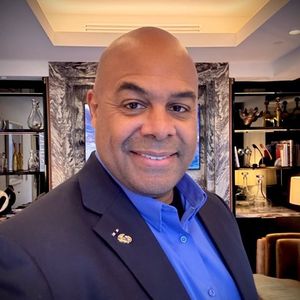
Fred Smith
Neutral Mediator · Communications Strategist
Fred’s a communications strategist and business operator who’s spent his career in high-stakes rooms where words carry as much weight as the numbers, working at Hyundai Capital and on corporate programs for Kia Motors America, Volkswagen, and Audi. He’s a former Marine Corps Sergeant and Combat Correspondent, a job built on getting people to tell you what really happened, with Marine Corps training in counseling and leadership and the Meritorious Service Medal. At the table he’s the human mind, the neutral who reads the people and the pressure.

Warren Morten
Neutral Mediator · Founder, The Morten Law Group
Warren’s been a California attorney since 2006, selected to Super Lawyers for Business & Corporate law (2024 to 2027), and he founded The Morten Law Group in Irvine, with a career spent in the rooms where business is really decided: corporate and partnership matters, estate planning, health care, and mergers and acquisitions. At the table he’s the legal mind, the neutral who reads the law and the leverage. He serves as a neutral mediator and doesn’t represent either side.
Hiring Without Cloning in Orange County
Orange County companies, from Newport Beach firms to Irvine startups, protect culture and accidentally clone it, losing the difference they need. Dyadic Mediation helps when the friction that diverse minds create hardens into a conflict a team cannot settle itself. We serve Costa Mesa, Santa Ana, and the full county, with reach from Los Angeles to San Diego.
In Confidence
The first call is free and private, and it commits you to nothing. You don’t need a lawsuit on file, and you don’t need the other side on board yet.
We serve teams and companies across Orange County, from Anaheim and Fullerton to Laguna Beach and Mission Viejo, with reach from Los Angeles to San Diego.
Dyadic Mediation · 18300 Von Karman Ave, Suite 660, Irvine, CA 92612 · (949) 579-2760
Serving Orange County, with reach into Los Angeles County and San Diego County. The information on this page is general information about mediation and workplace issues, not legal advice, and reading it doesn’t create a mediator-client relationship. Mediation is a private, voluntary process and isn’t a substitute for advice from your own attorney. © 2026 Dyadic Mediation. All rights reserved.
Comments
One response to “Hiring for Culture Without Hiring Clones”
[…] a culture that pretends it has none. The dodge itself is the red flag. This is the flip side of hiring for culture: the candidate reading the […]