

Mediation in Practice
Confidentiality in Mediation
Yes, mediation in California is confidential within the limits of the law: Evidence Code section 1119 generally keeps what’s said and written for a mediation out of a later case, with exceptions. That privacy is the engine, because it’s what lets two sides say the true thing and float a real compromise. In practice it generally keeps discussions, offers, and settlement admissions out of a later court case and out of the public record. The protection is strong but not absolute, so confirm the specifics with your own attorney. Nothing here is legal advice.
There are things you’d tell your partner if you knew they’d never show up in a court filing: what you’d actually accept, what you’re really afraid of. Most owners never say them, and the dispute drags on because of it.
Why privacy isn’t a nicety here, it’s the whole mechanism
People treat confidentiality like a feature, a nice-to-have on the brochure. In mediation it’s the engine. Think about it: the only reason two sides can finally say the true thing, admit the real fear, float the compromise they would never put in a court filing, is that the room is private.
Take the privacy away and everyone armors up again, and the armor is exactly what keeps disputes stuck.
So confidentiality in mediation isn’t politeness. It’s the condition that makes honesty safe, and without honesty most fights have no way to end.
In our experience, the backstory of most lawsuits between business people is the same: somebody avoided a conversation they didn’t want to have. Often they avoided it because saying the true thing felt dangerous, like handing the other side ammunition. That’s why we treat confidentiality as the point of the process, not a footnote.
A room where candor is protected, within the limits of California law, is a room where the avoided conversation can finally happen.
What stays in the room
Mediation is confidential within the limits of the law, which generally means the discussions, the offers explored, and the admissions made in pursuit of settlement stay in the room and can’t be dragged into a later court case the way ordinary statements can. Unlike a lawsuit, which becomes a public file anyone can pull, mediation keeps the dispute and its sensitive details out of the open. For a business, that privacy can matter as much as the resolution, because reputation, banking relationships, and future deals are all watching.
Privacy isn’t the polite part of mediation. It’s the part that lets the truth come out.
Where the limits are, honestly
No honest mediator will tell you confidentiality is absolute, because it isn’t. The protection has real limits set by law, and certain things, like threats of harm or matters the law requires to be reported, fall outside it.
The exact contours depend on your jurisdiction and the written agreement you sign, which is why you confirm the specifics with your own attorney. What we can tell you plainly is that the process is built to protect candor, and that we’re straight with you about what it does and doesn’t cover.
For how that protection supports a binding outcome, read is mediation legally binding, and for the full process see the business mediation page. Nothing here is legal advice.

The condition that makes honesty safe. That’s what privacy buys you.
At the table
What confidentiality covers, and what it doesn’t
Everyone assumes anything said is safe.
Someone tests the limits by quoting the session.
A dispute about what can be used in court.
The legal mind watches: Exactly which communications are protected and which documents aren’t.
The human mind watches: Whether people feel safe enough to say the real thing.
California law to know: Evidence Code section 1119: what’s said, written or prepared for a mediation is generally confidential and inadmissible later; Evidence Code section 1120: evidence that exists independently doesn’t become protected just because it was used in mediation; Evidence Code section 1122: mediation communications can be disclosed only if all participants agree, or in narrow cases.
Drift, fracture, collapse is how Dyadic Mediation reads where a dispute stands. General information, not legal advice; the statutes are summarized, so check the current text.
Common questions
Is mediation confidential?
Mediation in California is confidential within the limits of the law (Evidence Code section 1119, with exceptions), which generally means the discussions, the offers explored, and the admissions made in pursuit of settlement stay in the room and can’t be used in a later court case the way ordinary statements can. Unlike a lawsuit, which becomes a public file, mediation keeps the dispute and its sensitive details out of the open. The protection has legal limits, so confirm the specifics with your own attorney. Nothing here is legal advice.
Can what I say in mediation be used against me in court?
Generally no, because confidentiality is designed precisely so people can speak candidly and explore settlement without fear that their words become ammunition later. Statements and offers made in pursuit of resolution are typically protected from a later court case in a way ordinary statements aren’t. That protection is the whole reason the room works. It does have legal limits, however, so confirm exactly how it applies to your situation with your own counsel.
What are the limits of mediation confidentiality?
Confidentiality is strong but not absolute. Certain matters, such as threats of harm or things the law requires to be reported, generally fall outside the protection, and the exact contours depend on your jurisdiction and the written agreement you sign. An honest mediator will tell you this plainly rather than overpromise. The process is built to protect candor, and you should confirm the precise limits with your own attorney. Nothing here is legal advice.
Why does confidentiality matter so much in mediation?
Because it’s the engine, not a nicety. The only reason two sides can say the true thing, admit the real fear, and float a compromise they would never put in a court filing is that the room is private. Remove the privacy and everyone armors up, and the armor is exactly what keeps disputes stuck. For a business, confidentiality also keeps reputation, banking, and future deals out of a public fight, which can matter as much as the resolution itself.
If there’s something you’d say to end this but won’t say where it could be used against you, that’s the conversation mediation is built for. Every month it stays unsaid, both sides dig further into positions they’ll later have to climb out of. Ask your own attorney how the rules apply to you, then book a private first call.
About the Dyadic Mediation Team
Dyadic Mediation is led by two neutral mediators working the same table, the legal mind and the human mind. Here’s who you’d be sitting with.
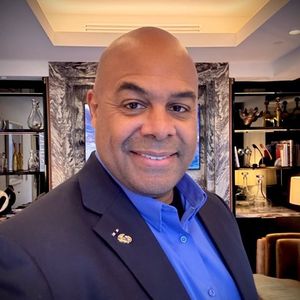
Fred Smith
Neutral Mediator · Communications Strategist
Fred’s a communications strategist and business operator who’s spent his career in high-stakes rooms where words carry as much weight as the numbers, working at Hyundai Capital and on corporate programs for Kia Motors America, Volkswagen, and Audi. He’s a former Marine Corps Sergeant and Combat Correspondent, a job built on getting people to tell you what really happened, with Marine Corps training in counseling and leadership and the Meritorious Service Medal. At the table he’s the human mind, the neutral who reads the people and the pressure.

Warren Morten
Neutral Mediator · Founder, The Morten Law Group
Warren’s been a California attorney since 2006, selected to Super Lawyers for Business & Corporate law (2024 to 2027), and he founded The Morten Law Group in Irvine, with a career spent in the rooms where business is really decided: corporate and partnership matters, estate planning, health care, and mergers and acquisitions. At the table he’s the legal mind, the neutral who reads the law and the leverage. He serves as a neutral mediator and doesn’t represent either side.
In Confidence
The first call is free and private, and it commits you to nothing. You don’t need a lawsuit on file, and you don’t need the other side on board yet.
Dyadic Mediation runs every session privately in Irvine or online, for business owners across Orange County, from Newport Beach to Santa Ana to San Juan Capistrano, and throughout Southern California.
Dyadic Mediation · 18300 Von Karman Ave, Suite 660, Irvine, CA 92612 · (949) 579-2760
Serving Orange County, with reach into Los Angeles County and San Diego County. The information on this page is general information about mediation and workplace issues, not legal advice, and reading it doesn’t create a mediator-client relationship. Mediation is a private, voluntary process and isn’t a substitute for advice from your own attorney. © 2026 Dyadic Mediation. All rights reserved.
Sources: California Evidence Code § 1119; Evidence Code section 1119; Evidence Code section 1120; Evidence Code section 1122.
Comments
2 responses to “Confidentiality in Mediation”
[…] Confidentiality in mediation […]
[…] Confidentiality in mediation […]