

Mediation in Practice
What Makes a Good Mediator in Orange County?
A good mediator is genuinely neutral, hears the need under each position, stays patient under pressure, and earns both sides’ trust. When the room works, you walk out feeling you solved it yourselves, which is why good mediation can look strangely invisible. Dyadic’s standard is two neutral mediators, because a dispute moves on two tracks at once, the logical and the emotional, and we want a mind on each. Nothing here is legal advice.
You’ve finally agreed to sit down with your partner, and now you’re wondering who you can trust in the room. The quality that matters most is the one that’s hardest to see on a résumé.
The quiet skill you only notice when it’s missing
A great mediator is strangely invisible. When the room works, you walk out thinking you and the other side solved it yourselves. You half-forget the person who made that possible.
And that’s the tell. A good mediator isn’t the loudest voice or the sharpest legal mind in the room. They’re the one who makes it safe enough for two stuck people to finally move.
If you’re choosing a mediator in Orange County for a business dispute, those qualities matter more than any title on the door.
So what actually separates a mediator who resolves things from one who just supervises an argument? It comes down to a handful of qualities that are easy to name and hard to do.
What to actually look for
Real neutrality, first, and not the performed kind. A good mediator holds no stake and lets neither side feel the scale tipping. Then the ear: the ability to hear not just what someone says but the need buried under it, because the stated position is almost never the real one.
Then patience under pressure, the composure to let a hard silence sit rather than rushing to fill it. And finally trust, the thing that lets both sides believe the process is fair even when they don’t yet agree on anything else. Strip away the credentials and that’s the list that matters.
The four qualities that separate resolving a dispute from refereeing one.
The best mediator is the one you half-forget was there, because it felt like you solved it yourselves.
Why two is more than one plus one
A dispute moves on two tracks, the logical and the emotional. Dyadic Mediation is built around that: two neutral mediators in the room together, as our standard design. One tracks the terms, the facts, the structure.
The other tracks the feeling, the timing, the thing left unsaid. It’s a second set of eyes on every session, and one fee covers both mediators and all preparation, set on your first call.
Meet the people behind it on the business mediation page, and see the preparation that helps them help you in how to prepare for a mediation. The first conversation is private and carries no obligation.
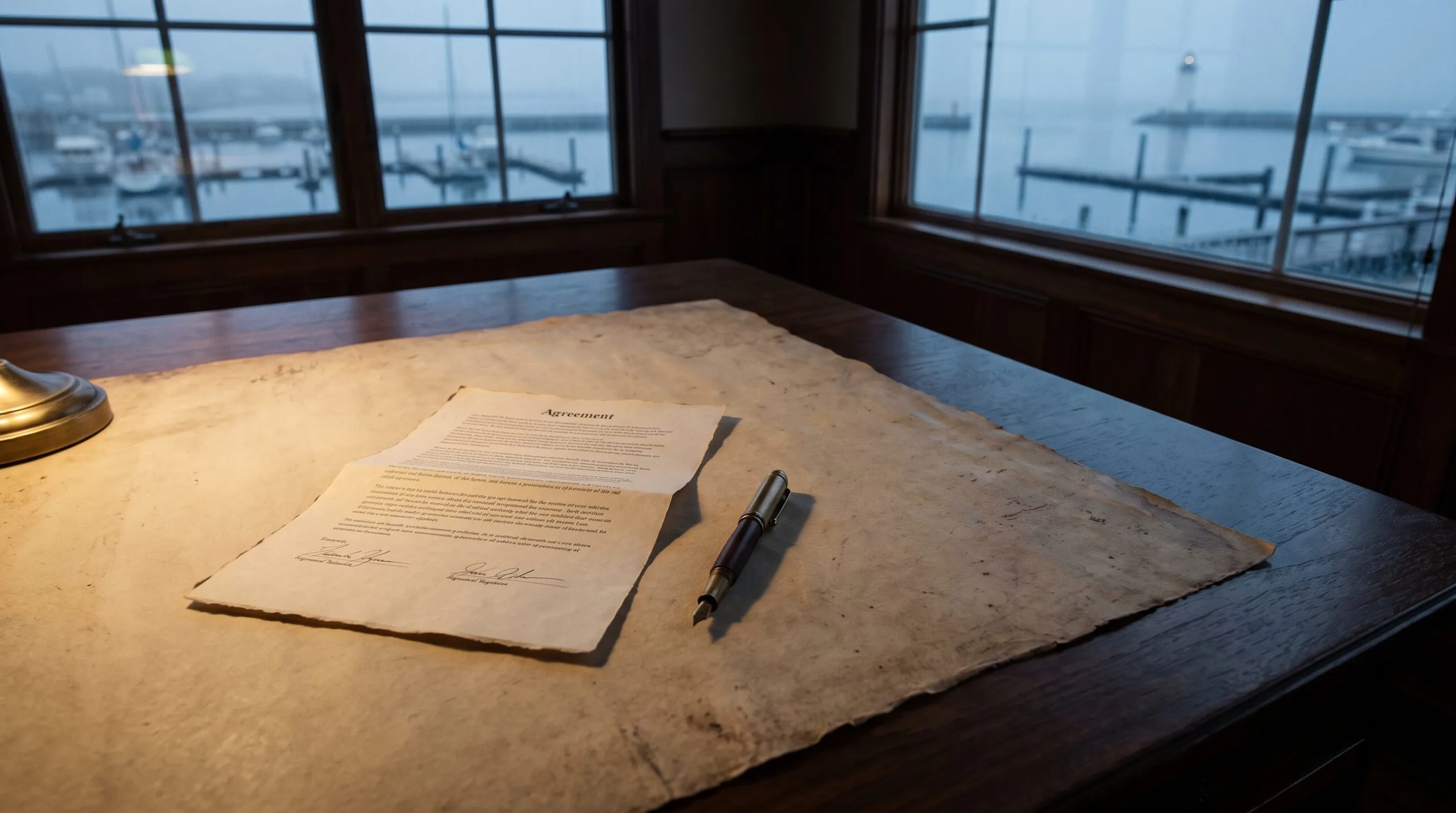
Two sets of eyes, because a dispute moves on two tracks at once.
At the table
What a good mediator actually watches
Small signs that one side doesn’t feel heard.
A side digs in to protect its pride, not its position.
Walkouts, ultimatums and a session that ends early.
The legal mind watches: Whether the options on the table are legally workable and fully understood.
The human mind watches: Pace, tone and timing: when to separate the sides and when to bring them back.
California law to know: Evidence Code section 703.5: a mediator generally can’t be made to testify about the mediation; Evidence Code section 1121: a mediator can’t report to the court on the substance of the mediation; Evidence Code section 1119: what’s said, written or prepared for a mediation is generally confidential and inadmissible later.
Drift, fracture, collapse is how Dyadic Mediation reads where a dispute stands. General information, not legal advice; the statutes are summarized, so check the current text.
Common questions
What makes a good mediator?
Genuine neutrality, a deep ear, patience under pressure, and earned trust. A good mediator holds no stake and lets neither side feel the scale tip, hears the need buried under the stated position, has the composure to let hard silences work instead of rushing to fill them, and builds enough trust that both sides believe the process is fair even before they agree on anything. Strip away the credentials and that’s the list that actually separates resolution from a supervised argument.
Should a mediator be a lawyer?
Not necessarily, because the skill that resolves disputes isn’t primarily legal, it’s the ability to create a safe, neutral space where two stuck people can move. Legal knowledge helps in many business matters, and it works best alongside an ear for the human side of the dispute. What matters most is neutrality, listening, patience, and trust. You should always have your own attorney review any agreement before signing, regardless of the mediator’s background.
Why does Dyadic use two mediators?
Because a dispute moves on two tracks at once, the logical and the emotional, and we built the practice to give each one its own attention. Two neutral mediators let one track the terms, facts, and structure while the other tracks the feeling, timing, and what is left unsaid. One fee covers both mediators and all preparation, set on your first call, and both stay neutral and represent neither side.
How do I know if a mediator is actually neutral?
Real neutrality shows up in the room: neither side feels the scale tipping, both feel equally heard, and the mediator presses on the hard questions for everyone, not just one party. A neutral mediator holds no stake in the outcome and works for neither side. You can also ask directly about any relationships or interests before you begin. If you ever feel the process favoring one side, a good mediator will welcome you naming it rather than brushing it off.
Choosing a mediator is one of the few decisions in a dispute both sides make together, and it shapes everything after. Ask any mediator you’re considering how they stay neutral, how they handle silence, and whether they have ties to either side. If you want to hear our answers, a private first call commits you to nothing.
About the Dyadic Mediation Team
Dyadic Mediation is led by two neutral mediators working the same table, the legal mind and the human mind. Here’s who you’d be sitting with.
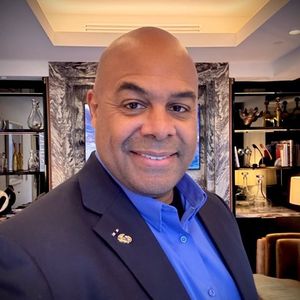
Fred Smith
Neutral Mediator · Communications Strategist
Fred’s a communications strategist and business operator who’s spent his career in high-stakes rooms where words carry as much weight as the numbers, working at Hyundai Capital and on corporate programs for Kia Motors America, Volkswagen, and Audi. He’s a former Marine Corps Sergeant and Combat Correspondent, a job built on getting people to tell you what really happened, with Marine Corps training in counseling and leadership and the Meritorious Service Medal. At the table he’s the human mind, the neutral who reads the people and the pressure.
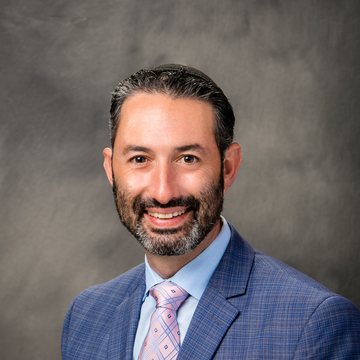
Warren Morten
Neutral Mediator · Founder, The Morten Law Group
Warren’s been a California attorney since 2006, selected to Super Lawyers for Business & Corporate law (2024 to 2027), and he founded The Morten Law Group in Irvine, with a career spent in the rooms where business is really decided: corporate and partnership matters, estate planning, health care, and mergers and acquisitions. At the table he’s the legal mind, the neutral who reads the law and the leverage. He serves as a neutral mediator and doesn’t represent either side.
In Confidence
The first call is free and private, and it commits you to nothing. You don’t need a lawsuit on file, and you don’t need the other side on board yet.
Dyadic Mediation serves Orange County from its Irvine office, with sessions for parties from Newport Beach, Costa Mesa, Laguna Beach and Tustin, and reach from Los Angeles to San Diego.
Dyadic Mediation · 18300 Von Karman Ave, Suite 660, Irvine, CA 92612 · (949) 579-2760
Serving Orange County, with reach into Los Angeles County and San Diego County. The information on this page is general information about mediation and workplace issues, not legal advice, and reading it doesn’t create a mediator-client relationship. Mediation is a private, voluntary process and isn’t a substitute for advice from your own attorney. © 2026 Dyadic Mediation. All rights reserved.
Sources: Evidence Code section 703.5; Evidence Code section 1121; Evidence Code section 1119.