

Trust & Safety
How to Rebuild a Team After Burnout
You rebuild a team after burnout by fixing the system that drained it, not just resting the people, because burnout often looks like a team that still ships while the spark has gone out. The mistake is treating it as an individual problem, when team-wide burnout is usually a systemic problem wearing an individual mask, and you can’t rest your way out of a system designed to exhaust you. Recovery fixes the system, acknowledges the harm, rebuilds meaning and autonomy, and when fatigue has turned into blame between people, mediation gives them a neutral room to say what the overload cost them. Nothing here is legal advice.
Your team still hits its numbers, but nobody stays a minute late anymore, nobody pitches ideas, and your best people have gone quiet in meetings. That isn’t a motivation problem you can pep-talk away.
The team that’s still showing up but running on empty
Burnout doesn’t always look like collapse. More often it looks like a team that still shows up, still ships, still says the right things in standup, while the spark that used to drive them has quietly gone out. The enthusiasm is replaced by a grinding, joyless compliance.
People do the minimum, guard their energy, and watch the clock in a way they never used to. The work is still getting done, which is exactly why leaders miss it, until the resignations start and they realize the team burned out months ago and nobody said a word.
Here is what most leaders get wrong about recovery: they treat burnout as an individual problem, a matter of people needing a vacation or better work-life balance. Sometimes it is. But team-wide burnout is usually a systemic problem wearing an individual mask, and you can’t rest your way out of a system that’s designed to exhaust you.
Our view is that a team’s culture gets built three ways: people copy what leaders do, chase what leaders reward, and learn from what leaders let slide. Burnout usually carries all three fingerprints. The leader who answers email at midnight, the praise that goes to whoever stayed latest, the overload nobody ever pushed back on.
Rest people without changing what gets modeled, rewarded and tolerated, and the same system drains them again.
What real recovery requires
Fix the system, not just the symptoms, because sending exhausted people on a retreat and then back into the same impossible workload just resets the countdown to the next collapse. Acknowledge what happened honestly, since a team whose exhaustion is never named feels gaslit, and that compounds the damage.
Rebuild the sense of meaning, because burnout isn’t only about overwork, it’s about effort that stopped feeling like it mattered, and reconnecting people to why the work counts is half the cure. Restore autonomy and control, as the helplessness of having no say over an unsustainable pace is itself a primary driver of burnout.
And rebuild trust slowly, because a burned-out team has often stopped believing leadership will actually protect them, and that belief returns only through sustained, visible action.
You can’t rest your way out of a system that’s designed to exhaust you.
When burnout curdled into conflict
Prolonged burnout doesn’t just drain a team, it corrodes the relationships inside it. Exhausted people get short with each other, resentments build over who is carrying the load, blame flies when the pace finally cracks something, and what started as fatigue hardens into genuine conflict between people.
Fixing the workload and restoring meaning helps the system, but it doesn’t repair relationships that burnout has already broken. When recovery stalls on a grudge about who carried the load, mediation lets the people involved be heard by someone with no stake in the old schedule. Then they decide for themselves how they’ll work together now.
When tired turns into blame
Burnout runs on a hidden ledger. One person covered the weekend launch, another left early for a family emergency, a third quietly absorbed a departed colleague’s work.
Nobody kept score out loud, but everyone kept score. When the pace finally breaks something, the ledger comes out as blame, and it isn’t a workload problem anymore.
Now it’s two people, or two camps, each certain the other let them down, each with a story that’s partly true. You usually can’t settle it, because you set the pace, and whatever you decide about who was right will look like taking sides.
Mediation takes the ledger into a neutral room. Each person says what the overload actually cost them, and the mediators don’t assign fault. What’s said stays confidential within the limits of California law, and the people involved decide how they’ll share the load from here.
The early signal is sharp talk about effort: who’s “always” gone by five, who “never” picks up on a weekend. When lines like that show up in meetings, the fatigue has found a target.
For the deeper picture, see trust and psychological safety and defusing workplace conflict. The first conversation is private and carries no obligation. Nothing here is legal advice.

Burnout isn’t only about overwork. It’s about effort that stopped feeling like it mattered.
Common questions
How do you rebuild a team after burnout?
Fix the system, not just the symptoms, because sending exhausted people on a retreat and back into the same workload just resets the countdown; acknowledge what happened honestly, since unnamed exhaustion feels like gaslighting; rebuild the sense of meaning, because burnout is about effort that stopped feeling like it mattered; restore autonomy and control; and rebuild trust slowly through sustained, visible action. You can’t rest your way out of a system designed to exhaust you. Nothing here is legal advice.
Why do leaders miss team burnout?
Because burnout doesn’t always look like collapse; often it looks like a team that still shows up, still ships, and still says the right things, while the spark has quietly gone out and enthusiasm has become joyless compliance. The work keeps getting done, which is exactly why leaders miss it, until the resignations start and they realize the team burned out months ago and nobody said a word. The visible output masks the invisible depletion underneath.
Is burnout an individual or a team problem?
Often it’s a systemic problem wearing an individual mask. Leaders treat it as people needing a vacation or better balance, and sometimes that’s part of it, but team-wide burnout usually traces to an unsustainable system, impossible workloads, no autonomy, effort that stopped feeling meaningful, that will re-exhaust anyone you rest and return. You can’t rest your way out of a system designed to exhaust you, so real recovery fixes the system, not just the individuals inside it. Nothing here is legal advice.
Can burnout cause lasting conflict on a team?
Yes. Prolonged burnout corrodes relationships: exhausted people get short with each other, resentments build over who is carrying the load, and blame flies when the pace finally cracks something, so fatigue hardens into genuine conflict. Fixing the workload and restoring meaning helps the system but doesn’t repair relationships burnout already broke. When recovery is blocked by specific conflicts that fatigue created, a neutral third party can help the people involved work through them so the team heals as a team. Nothing here is legal advice.
Burnout that’s left alone doesn’t stay as tiredness. It turns into resentment over who carried the load, and then into resignation letters you didn’t see coming. If the exhaustion has already hardened into conflict between people, talk to a neutral before the people you most need decide the fix isn’t coming.
About the Dyadic Mediation Team
Dyadic Mediation is led by two neutral mediators working the same table, the legal mind and the human mind. Here’s who you’d be sitting with.
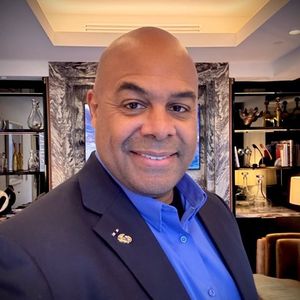
Fred Smith
Neutral Mediator · Communications Strategist
Fred’s a communications strategist and business operator who’s spent his career in high-stakes rooms where words carry as much weight as the numbers, working at Hyundai Capital and on corporate programs for Kia Motors America, Volkswagen, and Audi. He’s a former Marine Corps Sergeant and Combat Correspondent, a job built on getting people to tell you what really happened, with Marine Corps training in counseling and leadership and the Meritorious Service Medal. At the table he’s the human mind, the neutral who reads the people and the pressure.

Warren Morten
Neutral Mediator · Founder, The Morten Law Group
Warren’s been a California attorney since 2006, selected to Super Lawyers for Business & Corporate law (2024 to 2027), and he founded The Morten Law Group in Irvine, with a career spent in the rooms where business is really decided: corporate and partnership matters, estate planning, health care, and mergers and acquisitions. At the table he’s the legal mind, the neutral who reads the law and the leverage. He serves as a neutral mediator and doesn’t represent either side.
Rebuilding a Team After Burnout in Orange County
Across Orange County’s high-pressure firms from Newport Beach to Irvine, burnout rarely looks like collapse until the resignations start. Dyadic Mediation helps when fatigue has curdled into genuine conflict between people that fixing the workload cannot repair. We serve Costa Mesa, Santa Ana, and the full county, with reach from Los Angeles to San Diego.
In Confidence
The first call is free and private, and it commits you to nothing. You don’t need a lawsuit on file, and you don’t need the other side on board yet.
We serve Orange County organizations from our Irvine office near John Wayne Airport, from Fullerton to Newport Beach to Mission Viejo, and the wider region from Los Angeles to San Diego.
Dyadic Mediation · 18300 Von Karman Ave, Suite 660, Irvine, CA 92612 · (949) 579-2760
Serving Orange County, with reach into Los Angeles County and San Diego County. The information on this page is general information about mediation and workplace issues, not legal advice, and reading it doesn’t create a mediator-client relationship. Mediation is a private, voluntary process and isn’t a substitute for advice from your own attorney. © 2026 Dyadic Mediation. All rights reserved.